
 United States
 Mexico
TURF (TF)
Filter
Sort by:




Turf (TF) Soccer Shoes — How to Choose What Actually Works
Artificial turf is fast and firm. TF shoes solve for that with a low-profile rubber sole covered in short, dense lugs that bite the turf fibers without digging in too deep. That means steadier traction, cleaner turns, and fewer pressure points during long sessions. If you’ve ever felt your feet ache after playing turf in firm-ground studs, TF is the fix.
Outsole and traction
Start with the sole because it does most of the work on turf. A good TF pattern grips in many directions but still lets you pivot smoothly; you shouldn’t feel “stuck” when you turn. If your game is full of quick cuts, look for more pronounced bite along the edges so plants feel secure. If you rely on straight-line sprints, a slightly clearer forefoot channel helps you roll through toe-off without losing speed. When you try a pair, stand on one foot and rotate gently—if the shoe snags or slides too easily, the pattern isn’t right for your movement or your field.
Cushioning that saves your legs
Many turf fields sit on compact, unforgiving base layers. Over a full match, that adds up. Shoes with a responsive foam under the heel and midfoot absorb those small impacts so your calves and heels don’t pay the price late in the game. If you finish practices with sore heels or tight calves, it’s a sign you need more underfoot resilience. For heavier players or frequent double sessions, a touch more cushioning is usually better than “bare-bones” minimal setups.
Fit and lockdown
Secure the midfoot and heel first; length comes second. Lacing that locks the saddle and a firm heel counter keep you from sliding on hard plants. Leave about a thumb’s width in the toe box so your toes can spread when you push off—too tight up front can numb your feet once the pace rises. At try-on, jog, stop, and cut inside the store or at home; if your heel lifts or your forefoot slams the toebox, re-lace for lockdown or try a different model. Remember that most uppers break in slightly after a session or two, but heel slip should never be “wait and see.”
Uppers and touch
Knit or mesh uppers breathe and flex, making them comfortable for long sessions, while modern synthetics add structure and handle abrasion better. Light texturing across the strike zone helps when rubber pellets and dust make the ball slick. If you tend to drag your toe on shots or tackles, look for a reinforced toe cap or a small medial overlay—turf can feel like sandpaper over time. For wet or dusty fields, wipe the upper during breaks; keeping the surface clean noticeably improves touch.
Pick by play style
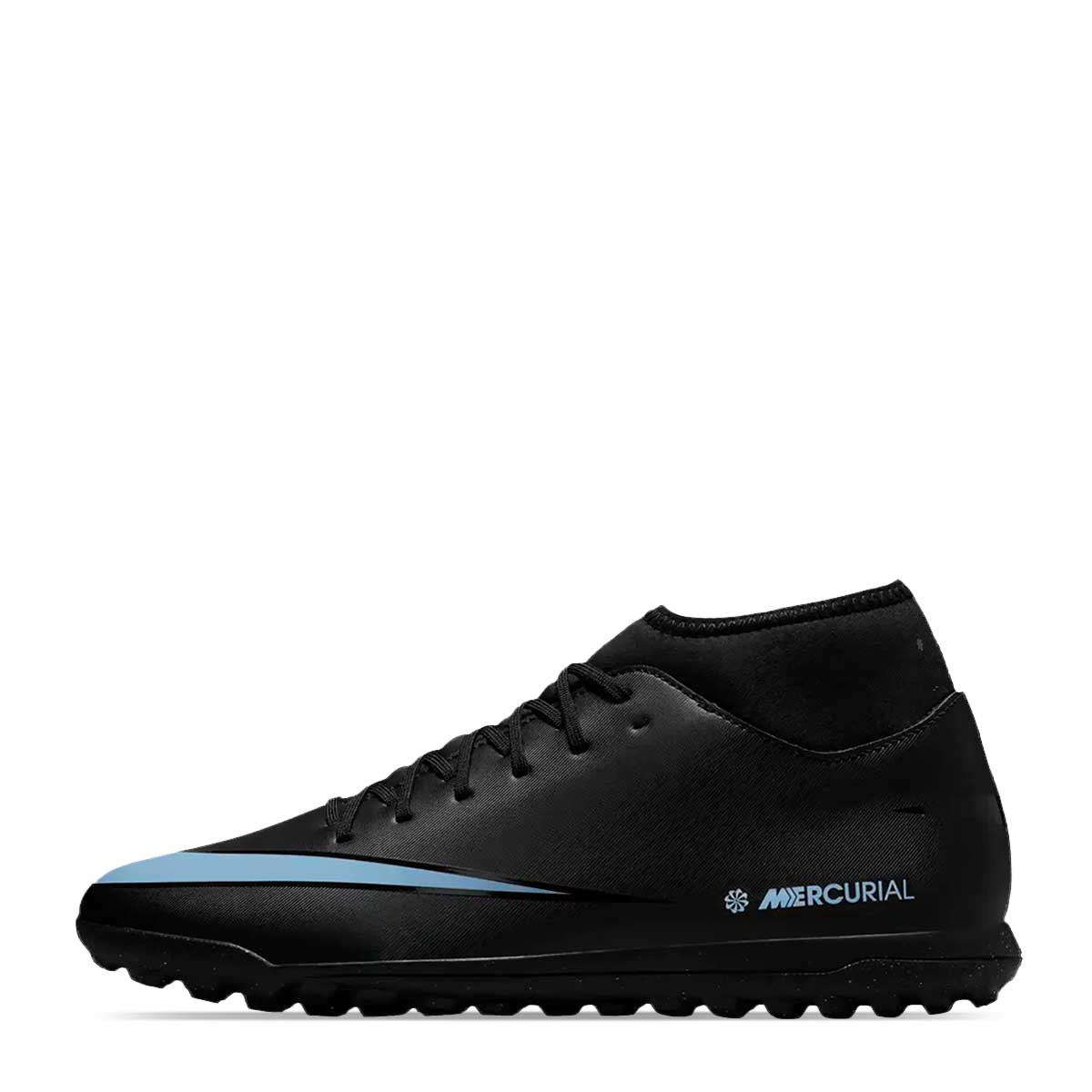
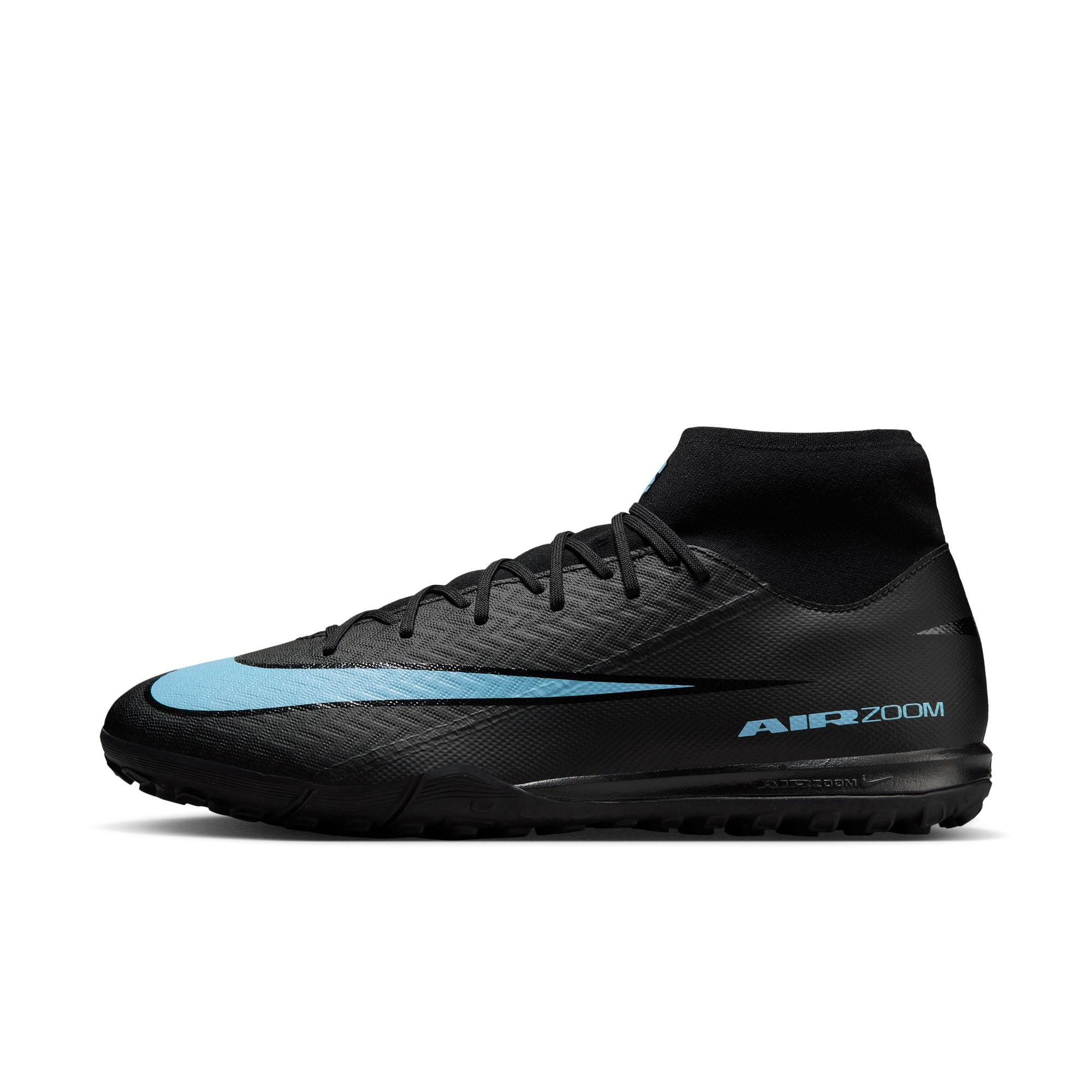
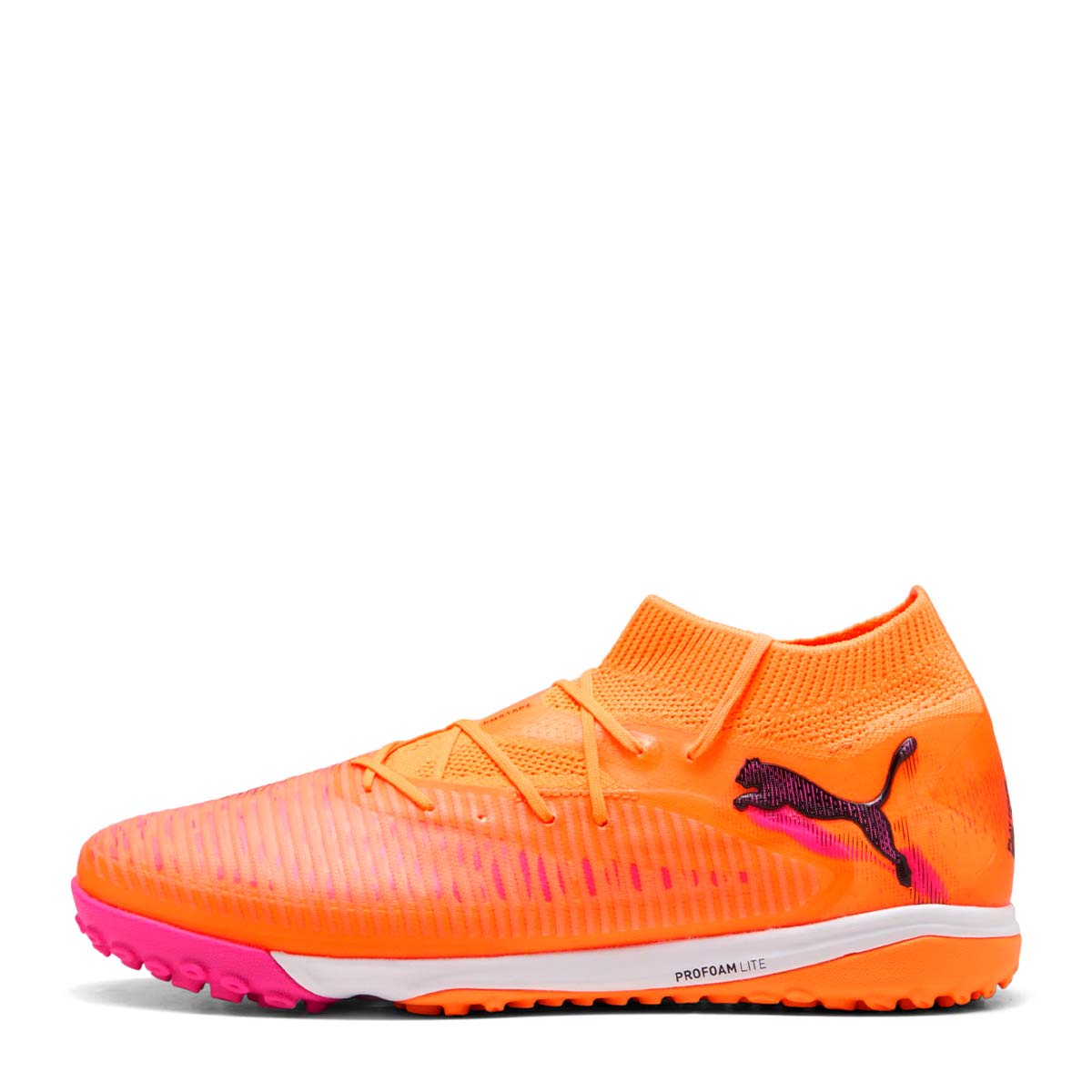
If you play for pure speed and want a streamlined, close feel, explore adidas F50 and Nike Mercurial; both are built for fast acceleration and a race-day ride. If your game leans toward agile control with adaptable support through the midfoot, try Puma Future, which focuses on lockdown that moves with your foot rather than against it. Whichever line you choose, aim for the TF version rather than borrowing an indoor or FG model—small outsole differences make a big change on artificial grass.
Care & what to avoid
Skip firm-ground studs on turf—they can slip and create hot spots. Flat indoor soles don’t bite the fibers either, so you’ll slide when you plant. After each session, knock out the rubber pellets, brush off dust, and let your shoes air-dry at room temperature; direct heat can warp the glue and foams. Rotate pairs if you train multiple times a week so cushioning can rebound fully. When the insole feels flat or the outsole lugs look rounded, replace them—fresh cushioning and crisp lugs restore both comfort and grip.
Bottom line
Match the TF outsole to how you move, add enough cushioning for the fields you use most, and prioritize midfoot lockdown over a too-tight toe. Do those three things and your traction, touch, and legs will hold up—from the first whistle to the last minute of extra time.


